July 4, 2026
Great leadership isn’t about rank, authority, or control—it's about purpose. In high-pressure environments like transportation, emergency response, and logistics across Mesa, Phoenix, and throughout Arizona, the most effective leaders aren’t the ones giving the loudest orders. They’re the ones quietly guiding teams through complexity with clarity, accountability, and resolve. True leadership emerges not when things go according to plan, but when they don’t—when delays stack up, systems fail, or safety is on the line.
What sets purpose-driven leaders apart is their consistent focus on service over status. Instead of asking, “How do I assert control?” they ask, “How can I support my team to succeed?” This shift in mindset transforms cultures. It builds trust, encourages ownership, and creates psychological safety—the foundation of high-performing teams. You’ll learn how authentic leadership is demonstrated through action, not title, and how small, intentional behaviors like owning mistakes, asking thoughtful questions, and protecting team focus lead to outsized impact. Whether you're leading a shift in a rail yard or coordinating dispatch operations, purpose-centered leadership isn’t optional—it’s essential for sustainable results. Keep reading to discover how to lead with influence, integrity, and impact—no authority required.
In today’s interconnected, fast-moving work environments—especially across collaborative sectors like logistics, emergency response, and operations in Mesa, Phoenix, and throughout Arizona—leadership that revolves around control and authority doesn’t just fall short; it actively undermines performance. When leaders prioritize power, they create cultures of fear, hesitation, and disengagement, where team members withhold insights, avoid accountability, and wait for permission instead of taking initiative.
Consider a dispatch team facing a sudden rail delay. A power-driven leader might demand updates, assign blame, and issue top-down directives without consulting those closest to the problem. The result? Critical time is lost, morale dips, and frontline expertise goes untapped. In contrast, purpose-driven leadership fosters psychological safety, inviting input, encouraging rapid problem-solving, and aligning actions around shared goals like safety, efficiency, and service excellence.
Modern teams thrive on trust, transparency, and mutual respect—not hierarchy. When leaders focus on serving the mission rather than protecting their status, they unlock innovation and resilience. They replace command-and-control with coaching, collaboration, and consistent accountability. This shift isn’t just cultural—it’s operational. Teams in high-stakes industries respond best when they feel valued, heard, and empowered to act. Leadership rooted in purpose, not power, sets the foundation for sustainable success in today’s dynamic workplaces.
True leadership transcends rank, title, or authority—it's rooted in a clear sense of purpose that inspires action and builds lasting trust. In high-stakes environments like transportation, logistics, and emergency response across Mesa, Phoenix, and throughout Arizona, purpose-driven leaders stand out not for their position but for their presence. These leaders consistently demonstrate five essential traits that foster resilience, alignment, and team cohesion.
Cultivating these traits transforms leadership from a role into a practice—one that elevates entire organizations.
Understanding the difference between power-based and purpose-based leadership is essential for anyone aiming to build resilient, high-performing teams—especially in mission-critical environments across Mesa, Phoenix, and throughout Arizona. While both styles influence decision-making, team dynamics, and organizational legacy, their long-term impacts diverge significantly.
In decision-making, power-driven leaders often centralize control, relying on hierarchy to push directives. This can result in fast but narrow solutions that overlook frontline insight. In contrast, purpose-driven leaders prioritize collaborative input, leveraging collective expertise to make informed, values-aligned choices that improve buy-in and long-term effectiveness.
When it comes to team dynamics, power-based leadership may create compliance through authority but often at the cost of psychological safety. Employees may withhold concerns, fearing retribution. Purpose-based leadership fosters trust and open dialogue, encouraging proactive problem-solving. Teams led with purpose report higher engagement, especially in high-stakes sectors like transportation, logistics, and emergency operations.
For long-term impact, power-centric models risk cultural stagnation and turnover, whereas purpose-centric leadership builds lasting organizational resilience. By aligning actions with a clear why, leaders cultivate loyalty, innovation, and consistency—key advantages for businesses navigating constant change.
To shift toward purpose:
Purpose doesn't diminish authority—it strengthens it through trust.
True leadership thrives not in control, but in contribution. If you're ready to move beyond titles and tactics that rely on authority, and instead lead with lasting impact, this actionable guide will help you transition from a power-driven to a purpose-driven mindset—no matter your role or industry.
1. Clarify Your Core “Why”
Start by reflecting on your personal leadership purpose. Ask: What impact do I want my team or organization to have? Write a concise statement that aligns with your values—such as “Empower every team member to solve problems confidently.” Revisit this “why” before major decisions to ensure alignment.*
2. Redefine Success Metrics*
Shift focus from output-only goals (e.g., quotas, speed) to values-based outcomes like team resilience, innovation, and psychological safety. Integrate these into performance reviews and daily check-ins, especially in high-pressure environments like logistics or field operations across Arizona.
3. Practice Reverse Accountability
Flip the script by regularly asking your team: “How can I better support you?”Make this a structured habit—weekly one-on-ones, anonymous input boxes, or digital feedback forms. Acting on insights shows you value contribution over command.*
4. Model Vulnerability with Direction*
Publicly own mistakes with a solution-focused mindset: “I misjudged that timeline—here’s how we adjust.”This builds trust faster than flawless execution and encourages teams in Phoenix, Mesa, or beyond to surface risks early.*
5. Serve as a Connector, Not Just a Decider*
Reduce hierarchy by creating spaces where frontline voices lead discussions. Host solution circles where employees co-design process improvements. Purpose-driven leaders don’t hoard decisions—they multiply ownership.
When leadership centers on purpose, influence grows organically—and sustainably.
What does service-oriented leadership really mean in practice?
Service-oriented leadership flips the traditional hierarchy by prioritizing team needs over personal authority. It’s not about stepping back—it’s about stepping up to support, empower, and remove obstacles for your team. In fast-paced industries like logistics, emergency response, and transportation across Mesa, Phoenix, and wider Arizona, this model increases trust, operational reliability, and team resilience. Leaders become enablers, focusing on creating conditions where others can succeed.
How do I shift from command-and-control to leading by service?
Start by reframing your daily actions:
Won’t being a servant leader make me appear weak or indecisive?
Not at all. Service-oriented leadership requires more courage, not less. It’s easy to give orders; it’s harder to listen, adapt, and own outcomes. In operational settings, leaders who admit gaps, protect their teams from unnecessary bureaucracy, and act with consistency earn deeper respect. It’s not about being soft—it’s about being strong enough to put the mission and team above ego.
How can I maintain authority while serving my team?
Authority built on service is more sustainable than authority based on title. You maintain leadership by:
What if my organization still rewards traditional leadership styles?
Lead by example. Even in top-heavy cultures, consistent service-oriented behaviors influence peers and superiors. Document improvements in team morale, incident response times, or safety compliance tied to your approach. Use these data points in performance discussions to demonstrate impact. Over time, results validate the model.
How do I start transitioning without overhauling everything at once?
Begin with one shift: commit to asking more questions than giving answers for one week. Focus on understanding team challenges before proposing solutions. Small, consistent changes—like thanking someone for speaking up after a near-miss or adjusting a workflow based on feedback—build momentum. Authentic leadership grows not in grand gestures, but in repeatable, trustworthy actions.
Purpose-driven leadership doesn’t just shape daily operations—it reshapes cultures, elevates performance, and leaves a lasting imprint on people and organizations. In high-stakes industries like transportation, logistics, and emergency response across Mesa, Phoenix, and throughout Arizona, the leaders who stand the test of time are those who lead not from a place of authority, but from a clear why. Their teams report higher engagement, faster problem resolution, and stronger alignment because they’re not just following instructions—they’re part of a mission.
When leaders consistently connect actions to purpose, they foster environments where accountability thrives, innovation is welcomed, and psychological safety becomes the norm. Employees don’t just show up to work—they show up with commitment. This shift transforms organizational resilience, especially during disruptions, because teams trust the leader’s intentions and understand how their role contributes to the bigger picture.
To build this legacy:
Your leadership won’t be remembered for the titles you held, but for the impact you made. By leading with purpose, you set a standard that outlives any single role. Explore leadership training resources designed to deepen your influence and leave a legacy worth following. Visit store.bleadersedge.com or bleadersedge.com for more leadership training...thanks!
Mike
#bleadersedge #TEAM123 #leadership #leadershiptraining #NotPower #Leadershipismore
True leadership isn’t claimed—it’s earned through consistent, visible action. In high-stakes industries like transportation, emergency services, and logistics across Mesa, Phoenix, and throughout Arizona, titles mean little when pressure mounts. What matters is who steps up. Anyone can declare themselves a leader, but only accountable individuals drive results, own outcomes, and foster trust during critical moments. Too often, teams face challenges where communication breaks down, accountability fades, and blame gets redirected—eroding morale and stalling progress.
This section explores the foundational truth that leadership is demonstrated through behavior, not self-proclamation. You’ll learn how authentic influence is built by making tough decisions, listening with empathy, and modeling ownership—even when it's uncomfortable. We’ll outline practical ways to assess whether leadership is being shown through action, not just words, and provide actionable strategies to cultivate a culture where accountability isn’t feared but expected.
From operational hubs to frontline teams, the most effective leaders aren’t the loudest in the room—they’re the ones taking responsibility, aligning people, and solving problems before they escalate. Stick with us to discover how shifting from title-focused to action-focused leadership transforms team dynamics and drives sustainable success.
Stating “I am a leader” or I earned a title, rarely convinces anyone. In high-stakes industries like logistics, emergency response, and operations management, leadership isn’t declared—it’s demonstrated through consistent action, accountability, and influence during moments of crisis. When someone leads with a title or self-proclamation, it can trigger skepticism, especially in team-driven environments where credibility is earned through reliability, not rhetoric.
In cities like Mesa, Phoenix, and across Arizona’s mission-critical sectors, the most respected leaders are those who stay grounded in service rather than status. They don’t announce leadership as a title; they embody it by stepping up when systems fail, owning misjudgments, and creating space for others to speak first. Authentic leadership is less about visibility and more about responsibility—the willingness to face hard truths, correct course, and protect psychological safety even under pressure.
Instead of making leadership title claims, focus on behaviors that build trust:
True influence grows when others say, “We follow them,” not because they said so—but because their actions proved it. Leadership emerges through consistency, courage, and quiet commitment, not declarations.
True leadership isn’t declared—it’s demonstrated through consistent, intentional behaviors that build trust, alignment, and psychological safety. In high-pressure industries like logistics, rail operations, and emergency response, where decisions carry real-world consequences, the quiet actions of leaders often speak louder than titles or directives. These five powerful behaviors, practiced in environments from Mesa to Phoenix and beyond, are proven indicators of authentic leadership that drives team performance and organizational resilience.
These behaviors don’t require grand gestures, but they do demand intentionality. When leaders consistently apply them, they build teams that perform with greater cohesion, accountability, and confidence—no title required.
Leadership isn’t declared—it’s demonstrated. In operational environments like rail transport, emergency response, and logistics across Mesa, Phoenix, and beyond, the gap between performative leadership and values-driven action becomes unmistakable under pressure. Many leaders excel at communication when conditions are stable, but when disruptions hit, their approach reveals whether they lead by title or by principle.
Consider two contrasting responses to a critical service failure:
The difference isn’t just in tone—it’s in methodology. Leaders who act with integrity under pressure don’t wait for crises to define them; they prepare through daily habits: owning mistakes publicly, using direct language, and institutionalizing accountability in debriefs. In Arizona’s high-stakes industries, where operational precision impacts safety and performance, these practices aren’t optional—they’re essential. True leadership isn’t about claiming control. It’s about earning trust, one decisive, honest action at a time.
True leadership isn’t declared—it’s demonstrated daily through intentional action. In fast-paced industries like logistics, operations, and emergency response across Mesa, Phoenix, and throughout Arizona, leaders who stand out do so by embodying a presence rooted in consistency, service, and courage. Here’s how to cultivate it step by step.
1. Establish Consistency Through Predictable Actions
People follow leaders they can rely on, especially under pressure. Begin by aligning your communication and decisions with your stated values—every time. Whether you’re leading a shift change in a rail yard or managing frontline staff in a dispatch center, show up the same way: composed, clear, and focused. Share regular updates, keep commitments, and maintain structured check-ins. Over time, this reliability builds psychological safety, where teams feel secure enough to speak up, report errors, and innovate. Pro tip: End each week by reviewing your decisions—did they reflect your core principles? Adjust course early.
2. Lead with Service, Not Status
Flip the script: leadership is less about authority, more about enablement. Ask yourself daily: “What can I do to remove friction for my team?”That might mean streamlining a reporting process, advocating for better tools, or simply listening without judgment during a post-incident debrief. When your actions signal that team success matters more than ego, loyalty and engagement follow. In mission-critical environments, service-oriented leaders see higher compliance, faster problem resolution, and stronger cross-functional collaboration.*
3. Exercise Courage in Moments That Matter*
Courage isn’t dramatic—it’s showing up when silence would be easier. Speak first in tough meetings. Own a flawed decision publicly. Defend a team member who raised a concern that others dismissed. These acts build trust exponentially. Rehearse accountability phrases like “I missed that,” or “I should’ve escalated sooner,” so they come naturally under stress. In high-stakes sectors, courage isn’t optional—it’s the foundation of operational integrity and long-term team resilience.
Can you truly lead without speaking up?
Absolutely. Leadership isn’t measured by volume but by impact. In high-stakes environments like logistics, emergency response, and transportation operations—particularly across Arizona hubs such as Mesa, Phoenix, and Scottsdale—non-verbal leadership often carries more weight than speeches. Showing up early, staying late during critical incidents, maintaining composure under pressure, and consistently making ethical choices signal ownership. These behaviors set cultural tone and inspire teams far more effectively than directives ever could.
What everyday actions signal a strong leadership presence?
Look for patterns like proactive problem-solving, visible accountability, and consistent follow-through. Leaders who quietly fix issues before they escalate—like adjusting a flawed workflow or supporting a struggling teammate—demonstrate initiative. Other powerful signals include active listening during meetings, maintaining eye contact, responding promptly to messages, and adhering to safety protocols even when unobserved. In mission-critical roles, these habits build trust that compounds over time.
How do body language and presence influence team dynamics?
Your posture, pacing, and demeanor communicate confidence or uncertainty regardless of words. A calm walk through the operations floor during a crisis—rather than frantic movement—reassures teams. Open gestures, steady eye contact, and approachable facial expressions foster psychological safety. Conversely, crossed arms, avoidance, or constant distraction signal disengagement. In 24/7 operational environments, these non-verbal cues shape how teams assess stability and leadership readiness.
How can you lead remotely or digitally without verbal communication?
Digital presence matters. Consistently updating shared dashboards, acknowledging task completions with quick replies, and organizing visual project trackers demonstrate engagement. Promptly reviewing documents, leaving constructive comments, and keeping calendars transparent show reliability. In decentralized teams across regions like Glendale or Chandler, this kind of silent diligence builds credibility and keeps alignment strong—even without a single video call.
What role does consistency play in non-verbal leadership?
Predictability breeds trust. When your actions align with stated values every day—showing fairness, honoring commitments, treating all team members with respect—you become a benchmark. Teams notice who follows safety procedures without being monitored and who steps in during staffing shortages. Over time, consistent behavior becomes more influential than any title or announcement.
How can you improve your unspoken leadership impact?
Start with a self-audit: What message does my routine send? Are you the first to cut corners or the last to leave during urgent timelines? Seek feedback through anonymous channels. Record your workday rhythms for a week and assess whether your actions reflect ownership. Small, daily choices—from organizing shared tools to responding to messages respectfully—accumulate into a legacy of influence.*
Does leading silently mean never speaking up?*
Not at all. Silent leadership isn’t about silence—it’s about substance. The most respected leaders speak less but with greater intention. They use words to clarify, affirm, and align—not to dominate. When they do speak, teams listen because their actions have already earned credibility.
True leadership isn’t conferred by a job title, an org chart, or a formal announcement—it’s proven through consistent impact, especially when pressure mounts. Across high-stakes industries like logistics, emergency response, and transportation operations in Mesa, Phoenix, and throughout Arizona, the most influential leaders are those who step into accountability, not away from it. They don’t wait for recognition; they earn it by owning outcomes, guiding teams through uncertainty, and fostering environments where psychological safety and performance go hand in hand.
Real leadership shows up in moments of adversity—when service fails, safety is at risk, or communication breaks down. It’s demonstrated by being the first to say, “I own this,” rather than the first to assign blame. It’s built through daily practices: leading transparent debriefs, inviting upward feedback, and replacing deflection with curiosity. Teams notice—and respond—when leaders model vulnerability without weakness.
To strengthen your leadership impact:
The bottom line? Influence is relational, not title positional. When you consistently choose responsibility over deflection, you don’t just lead—you elevate everyone around you. Explore leadership tools and training frameworks available through your business resources to continue building a legacy of authentic, high-impact leadership. Your next chapter in growth starts with ownership. Visit store.bleadersedge.com for more on leadership training today! Thanks.
Mike
In high-pressure environments like rail operations, emergency response, and logistics, the difference between effective leadership and dysfunction often comes down to one critical behavior: how leaders handle accountability. Deflection shifting blame, avoiding responsibility, or redirecting focus during setbacks is a silent eroder of trust, alignment, and team performance. In leadership terms, it manifests as blaming teams for execution lapses, pointing to external factors during crises, or dismissing feedback under stress. While it may offer short-term relief, deflection ultimately undermines psychological safety and stalls growth.
Overcoming deflection is non-negotiable for authentic leadership. When leaders own their decisions, acknowledge gaps, and respond with clarity, they create cultures where problems get solved, not buried. This begins with self-awareness: recognizing when the impulse to deflect arises and choosing transparency instead. In cities like Mesa, Phoenix, and across Arizona’s mission-critical sectors, the most respected leaders are those who step into discomfort, not away from it.
In this guide, you’ll learn how to identify deflection in real time, build systems that promote ownership, and foster communication practices that keep teams aligned even under pressure. Expect actionable strategies to strengthen accountability, rebuild trust after setbacks, and lead with integrity when it matters most.
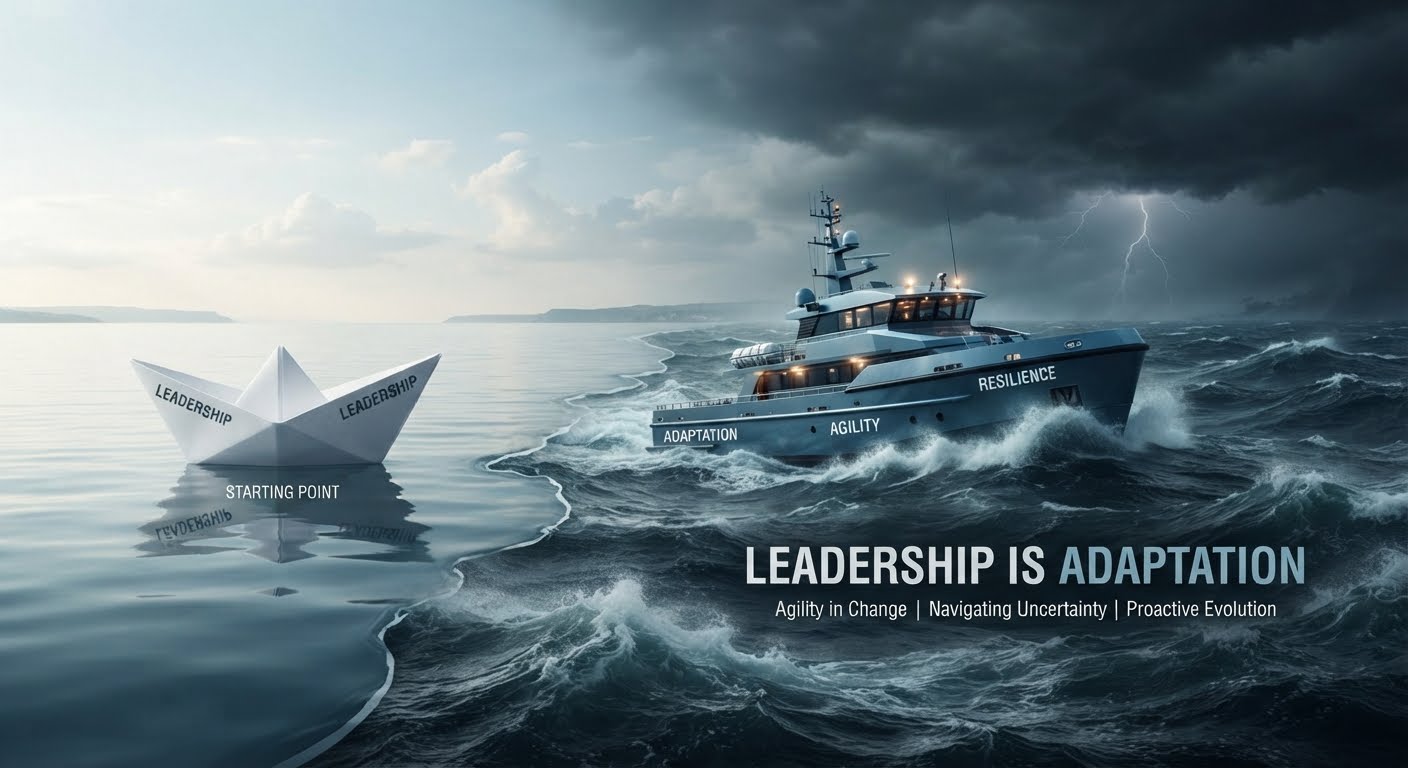
Leadership is tested not in calm waters, but in the storm, where deflection can silently erode trust and accountability. Many leaders unknowingly deflect responsibility through communication habits and behavioral patterns that avoid confrontation or shift blame. Recognizing these tendencies is the first step toward authentic, resilient leadership.
In high-pressure environments from Mesa to Phoenix and beyond, leaders who confront deflection build teams rooted in accountability, clarity, and courage.
Deflection isn't just a communication misstep, it’s a symptom of deeper psychological and organizational currents. In mission-critical sectors like logistics, emergency response, and transportation networks across Mesa, Phoenix, and beyond, deflection under stress can compromise safety, delay resolution, and erode team trust. At its core, deflection often stems from three interconnected drivers: fear of accountability, ego preservation, and systemic pressure to "have answers."
Fear manifests when leaders worry that admitting uncertainty or error could damage credibility or invite scrutiny. This leads to blame-shifting, omission, or redirecting focus toward external factors. Ego further fuels this behavior when self-identity is tied to being "the one in control," admitting gaps becomes a threat to self-worth rather than an act of strength.
Systemic pressures amplify this tendency. In fast-paced operational environments where downtime has cascading consequences, leaders often feel compelled to act now, even if it means sidestepping root causes. This results in surface-level fixes rather than systemic solutions.
To counter deflection:
When teams address deflection at its source, leadership becomes less about protection and more about purpose.
Leadership thrives not in perfection, but in ownership, especially when things go wrong. Deflection, whether subtle or overt, erodes trust and stalls growth. To build authentic accountability, leaders must first recognize their own patterns of avoidance. Follow this step-by-step guide to uncover and overcome deflection in high-pressure environments like logistics, rail operations, and emergency response across Mesa, Phoenix, and beyond.
Sustained self-awareness turns deflection into development, making resilience a measurable leadership skill.
In high-pressure industries like transportation, emergency response, and logistics, deflection, shifting blame, avoiding accountability, or sidestepping conflict is a silent team killer. Yet, standout leaders don’t just resist deflection; they dismantle it head-on to foster trust, resolve dysfunction, and elevate performance. These real-world scenarios illustrate how decisive, accountable leadership transforms breakdowns into breakthroughs, especially in operational hubs like Mesa, Phoenix, and across Arizona, where reliability is non-negotiable.
Leaders who overcome deflection don’t wait for perfect conditions—they create them through courage, clarity, and consistent action.
How can I recognize deflection in myself during high-pressure situations?
Deflection often shows up as shifting blame, minimizing responsibility, or redirecting focus away from your role in a problem. In leadership roles, especially in fast-moving industries like logistics, emergency response, or operations across Mesa, Phoenix, and surrounding areas, self-awareness is key. Ask yourself: Am I explaining away the issue, avoiding feedback, or reacting defensively? Practicing regular self-reflection, seeking honest input from peers, and pausing before responding can help uncover subtle patterns of deflection.*
What are common signs of deflection in team members?*
Watch for recurring behaviors like blaming external factors, interrupting accountability discussions, or consistently playing the victim. In safety-critical or time-sensitive environments, this can erode trust and delay resolution. Deflection may also appear as over-rationalizing decisions or deflecting questions with excuses about workload, communication gaps, or other teams.
How should I approach someone who is deflecting responsibility?
Start with empathy. Use private, one-on-one conversations to explore their perspective. Ask open-ended questions like, “What part of this situation do you feel you could influence?” or “How do you think we can move forward together?” Avoid accusatory language—focus on solutions, not fault.
Can deflection become a cultural issue in organizations?
Yes. When left unaddressed, deflection spreads, creating a low-accountability culture. This is especially damaging in team-driven sectors where coordination between Glendale, Scottsdale, and regional hubs relies on transparency and ownership.
What strategies build a non-defensive leadership mindset?
Develop habits like active listening, owning mistakes publicly, and reinforcing psychological safety. Leaders who model accountability encourage others to do the same.
True leadership isn't revealed in perfect conditions - it's proven when obstacles arise and pressure mounts. Across industries like logistics, emergency response, and transportation in regions such as Mesa, Phoenix, and throughout Arizona, the ability to overcome adversity defines not just individual success but organizational resilience. Leaders who embrace challenges - rather than deflect responsibility - create cultures of accountability, trust, and innovation. By owning setbacks, communicating transparently, and guiding teams through uncertainty, they turn moments of crisis into opportunities for growth.
The most effective leaders follow a clear pattern: they assess situations objectively, regulate their emotions, adapt quickly, and maintain unwavering focus on purpose. They understand that resilience isn’t a trait you’re born with - it’s built through consistent action, reflection, and support. Whether navigating supply chain disruptions, safety incidents, or team conflicts, these leaders prioritize psychological safety and empower frontline teams to contribute solutions.
Now is the time to act. Identify one current challenge in your operations and lead a structured debrief with your team. Ask: What went wrong? What did we learn? How can we improve? Small, intentional steps like these build long-term leadership strength. Visit your business resources regularly to access training tools, leadership frameworks, and actionable content designed to fortify your impact. Keep leading with courage - because real progress begins where comfort ends. For more leadership information and training, visit store.bleadersedge.com or bleadersedge.com. Thanks.
Mike
June 27, 2026

Leadership isn’t revealed in smooth operations or flawless quarterly reports—it’s forged in moments of crisis, uncertainty, and high-stakes decision-making. While many equate leadership with delegation, strategy, or team management, the defining trait of impactful leaders is their ability to navigate adversity with clarity, courage, and conviction. In fast-moving industries like emergency response, logistics, rail operations, and public safety, where lives and livelihoods depend on swift, decisive action, overcoming adversity isn’t incidental—it’s the core function of leadership.
Every organization faces moments that test its foundation: supply chain disruptions, safety incidents, team conflicts, or sudden market shifts. What sets strong leaders apart is not avoiding these challenges, but stepping into them with purpose. They don’t just manage the fallout—they lead through it. This means making tough calls with incomplete information, holding space for team stress without sacrificing standards, and maintaining a clear vision even when the path forward is unclear.
You’ll learn why resilience isn’t just personal endurance, but a cultivated skill that strengthens teams across Mesa, Phoenix, and other high-demand regions. We’ll explore how adversity exposes gaps in leadership readiness—and how to turn those moments into growth opportunities. From regaining team trust after setbacks to aligning decision-making under pressure, this guide delivers practical frameworks you can apply immediately. By the end, you’ll see adversity not as a threat, but as the proving ground where real leadership is made.
Leadership isn’t defined by calm moments—it’s forged in adversity. The most impactful leaders in high-stakes environments like rail operations, emergency response, and logistics networks consistently demonstrate a set of key traits that allow them to navigate challenges with clarity and confidence. These characteristics aren’t innate; they’re cultivated through experience, self-awareness, and intentional development.
Resilience stands at the forefront—this includes the ability to maintain focus amidst disruption, recover quickly from setbacks, and keep teams aligned under stress. Equally critical is emotional regulation, allowing leaders to stay composed, communicate clearly, and model stability when uncertainty looms. In fast-moving industries across Mesa, Phoenix, and beyond, calm leadership directly influences team safety and operational continuity.*
Adaptive decision-making* enables swift pivoting when conditions change, balancing urgency with sound judgment. This pairs with strategic foresight—anticipating downstream impacts before acting. Leaders who excel also show relentless accountability, owning outcomes without shifting blame, which reinforces trust and psychological safety.
Finally, empathetic communication ensures teams feel heard and supported, even during high-pressure situations. Leaders who listen actively, clarify expectations, and validate concerns foster loyalty and cohesion.
Developing these traits doesn’t require a crisis—it starts with daily practice, feedback loops, and a commitment to growth. When adversity strikes, those prepared don’t just survive; they lead.
Resilient leadership isn’t forged in times of ease—it’s built through challenge, failure, and perseverance. These real-world examples spotlight leaders who faced significant setbacks but used adversity as fuel to grow stronger, inspire teams, and drive lasting impact across demanding industries like logistics, emergency response, and transportation.
When pressure mounts and uncertainty looms, resilient leadership becomes the anchor for teams across industries—from logistics and rail operations to emergency response and beyond. Overcoming adversity isn’t about avoiding hardship; it’s about building systems and habits that allow you and your team to adapt, recover, and grow stronger. Start with these actionable steps to lead effectively through tough times:
Leaders who systematically apply these practices don’t just endure adversity—they transform it into a catalyst for stronger, more unified teams.
What are the key traits that help leaders overcome adversity?
Resilience, emotional intelligence, and adaptability are foundational traits that enable leaders to navigate tough times. These qualities allow leaders to remain composed under pressure, assess challenges objectively, and shift strategies when necessary. In fast-paced environments like logistics, rail operations, and emergency response, these traits are especially critical for maintaining team confidence and operational continuity.
Can adversity be a leadership development tool?
Absolutely. Real-world challenges serve as powerful catalysts for growth. Leaders who face setbacks—such as project failures, team conflicts, or market shifts—gain experience in problem-solving, decision-making under uncertainty, and empathetic leadership. Over time, these experiences build a deeper reservoir of judgment and wisdom.
How do leaders build mental toughness?
Mental resilience is developed through consistent practice. Leaders strengthen this by embracing discomfort, reflecting on past challenges, and setting incremental goals that stretch their limits. Daily habits—like mindfulness, journaling, and seeking feedback—also reinforce emotional stability and clarity during crises.
Is mentorship important in developing resilience?
Yes. Leaders who engage with mentors gain perspective, avoid common pitfalls, and receive honest guidance during difficult decisions. A strong support network helps leaders process emotions, test ideas, and maintain long-term focus—especially in high-stress industries across regions like Mesa, Phoenix, and Scottsdale.
How does a leader maintain team morale during tough times?
Transparency, consistent communication, and visible action are key. Leaders who acknowledge difficulties, celebrate small wins, and reinforce shared purpose help teams stay aligned and motivated—even when the path forward is uncertain.
What role does purpose play in overcoming adversity?
A clear sense of purpose anchors leadership behavior. When leaders reconnect with their core mission—especially in service-driven fields—they gain motivation to persist, inspire others, and turn setbacks into opportunities for growth.
Overcoming adversity isn't just a test of leadership—it's the very foundation of authentic, impactful influence. In industries where pressure runs high and stakes are real—from logistics and emergency response to healthcare and tech—leaders who rise in moments of crisis set the cultural tone for their teams. Adversity reveals character, forces innovation, and separates those who merely manage from those who truly lead. It’s during setbacks that trust is either strengthened or eroded, and employees look to leadership not for perfect answers, but for steady presence and principled action.
Resilience isn’t instinctive; it’s cultivated through consistent choices: owning mistakes, communicating with transparency, and maintaining focus on mission despite distractions. Leaders in Mesa, Phoenix, and across Arizona’s evolving business landscape succeed by viewing obstacles not as detours, but as opportunities to align teams around shared values. They prioritize psychological safety, encourage creative problem-solving, and foster environments where accountability and support coexist.
To strengthen your leadership impact:
Begin today by identifying one recurring operational hurdle and lead a structured team review to design resilient solutions. Real leadership isn’t about avoiding difficulty—it’s about transforming it into progress. Keep leading with courage, and let every challenge shape a stronger, more unified path forward. Thanks.
For more on leadership, visit bleadersedge.com and store.bleadersedge.com.
Mike
#bleadersedge #adversity #leadership #leadershiptraining #TEAM123
True leadership isn’t claimed through titles or organizational charts—it’s earned through unwavering commitment. In fast-paced industries like logistics, rail operations, and emergency response, where split-second decisions impact safety and performance, the difference between managing and leading comes down to one core trait: dedication. Leaders who embody commitment go beyond giving directives—they show up consistently, hold space for their teams, and take ownership of outcomes, especially when challenges arise. This level of engagement fosters trust, strengthens accountability, and creates a culture where teams in Mesa, Phoenix, and across Arizona operate with greater cohesion and confidence.
Unlike authority, which can be assigned, commitment must be demonstrated daily through actions, communication, and resilience under pressure. It’s what transforms a supervisor into a trusted leader. In this guide, you’ll discover how commitment serves as the foundation for ethical decision-making, team empowerment, and operational excellence. You’ll learn actionable strategies to strengthen accountability, improve team dynamics, and lead with purpose—no matter your role or location. By the end, you’ll see leadership not as a position, but as a continuous choice to show up, step forward, and stay engaged.
True leadership isn’t defined by grand gestures—it’s revealed in the consistent, often quiet, choices made daily. Commitment in leadership manifests through intentional actions that reinforce trust, accountability, and progress, even when no one is watching. It’s what separates leaders who inspire from those who simply manage. In fast-moving industries across Arizona and beyond, committed leaders set the tone by showing up reliably, following through on promises, and aligning decisions with long-term goals.
Daily commitment looks like:
This level of dedication builds cultural momentum. When leaders consistently model follow-through, teams internalize that same discipline. Projects stay on track, client relationships deepen, and morale improves because employees see leadership investing in shared success. In environments like logistics, healthcare, or tech—where precision and reliability matter—small, committed actions compound into measurable performance gains.
The key is consistency. Leadership isn’t about perfection—it’s about showing up every day with purpose, reinforcing values through action, and creating an environment where others feel compelled to do the same.
When leaders operate from a place of deep commitment—not just to goals, but to people, values, and consistent growth—they create ripple effects that strengthen every facet of the organization. Committed leadership goes beyond meeting quarterly targets; it’s about building resilient teams, adaptive cultures, and sustainable success over time. Here are seven powerful, long-term advantages that emerge when leadership commitment becomes the standard:
Leadership is easy when the path is clear—but true commitment is tested when distractions, setbacks, and conflicting priorities emerge. One of the most common challenges leaders face is burnout, often stemming from relentless demands and an inability to delegate effectively. Without intentional self-care and team empowerment, even the most passionate leaders risk disengagement. Another frequent obstacle is shifting organizational goals, where changes in strategy or leadership direction create uncertainty and erode focus. In fast-moving industries across Arizona and beyond, staying aligned while adapting to change requires resilience and constant communication.
To maintain commitment under pressure:
Leaders in Phoenix, Scottsdale, and other growing hubs find that those who sustain long-term impact are not necessarily the most charismatic, but the most consistent. By anticipating these challenges and building habits that reinforce dedication, leaders transform fleeting motivation into enduring commitment—creating cultures where perseverance becomes contagious.
True leadership isn’t defined by titles—it’s proven through consistent commitment, especially when challenges arise. Demonstrating this level of dedication requires intentional actions that build trust, drive accountability, and inspire teams. Here’s a step-by-step guide to lead with purpose and perseverance:
Pro Tip: Regularly ask your team: “Where do you see our commitment making the biggest difference?” Their answers will reveal strengths and gaps in your leadership approach.
Leadership rooted in commitment isn’t loud—it’s consistent. And in cities like Phoenix, Mesa, and beyond, that consistency builds reputations that last.
What does commitment really mean in leadership? Commitment in leadership goes beyond showing up on time or completing tasks—it’s a demonstrated dedication to vision, values, and people. A committed leader consistently aligns actions with organizational goals, even when challenges arise. This includes following through on promises, prioritizing team development, and standing firm in ethical decisions. In fast-growing sectors across Arizona—from logistics in Phoenix to healthcare in Scottsdale—leaders who embody unwavering commitment foster cultures of accountability and trust.
How does commitment impact team performance? Teams mirror the energy and reliability of their leaders. When leadership demonstrates sustained commitment, employees are more likely to engage deeply, take ownership of projects, and support one another. This creates a ripple effect: reduced turnover, stronger collaboration, and improved operational outcomes. In high-responsibility environments like rail operations or emergency response coordination, this level of dedication ensures safety and efficiency.
Can someone be a leader without full commitment? Technically, yes—but not effectively. Leadership roles without true commitment often result in inconsistent decision-making, low morale, and eroded trust. Employees quickly recognize when leaders are disengaged or prioritizing personal gain over team success. Authentic leadership demands emotional and strategic investment.
How can leaders stay committed during tough times? Resilience starts with purpose. Reconnect regularly with your why—the core reason you lead. Break large challenges into manageable actions, seek peer support, and maintain transparent communication with your team. Commitment isn’t about never struggling; it’s about never quitting.* What are signs of a truly committed leader?*
Commitment isn’t flashy—it’s steady, intentional, and deeply felt by everyone on the team.
True leadership isn’t measured by titles, strategies, or quarterly results—it’s defined by unwavering commitment. Throughout this guide, we’ve uncovered how ethical decision-making, consistency, and value-driven behavior form the backbone of effective leadership. But none of it holds together without one critical element: commitment. Without it, even the most well-intentioned leaders falter, teams lose trust, and organizational culture stagnates.
Commitment means showing up every day—especially when challenges arise in fast-paced industries like rail operations, logistics, or emergency response, where decisions impact safety, efficiency, and reputational integrity. It means aligning actions with core values, not just in public moments, but behind closed doors. It’s about holding yourself and others accountable, not because a policy demands it, but because it’s the right thing to do.
To lead with true impact, focus on these steps:
Leadership is not a position—it’s a practice, sustained by dedication. If you’re ready to strengthen your leadership foundation, explore leadership training resources that align with real-world challenges. Start today, lead consistently, and build a legacy rooted in purpose.
Mike
Influential leaders will bond with teammates. As influential leaders guide teams, they must consider the team dynamic and the importance of team bonding for unity. As a strong, influential leader, I have found that many of my teams were extremely unique. Some traits to identify as a strong, influential leader include:
I know the first two can make people uncomfortable, but understanding and learning your team is critical as a strong, influential leader. An interested leader can further bond by:
Leaders who choose to identify traits and topics to engage team members will not only bond with them for continued growth, but will also gain trust, dedication, and respect. Thanks. For more on leadership bonding training and other leadership training, please visit bleadersedge.com or store.bleadersedge.com.
Mike
#bleadersedge #leadership #bonding #leadershiptraining #leadersbond #teammembers #TEAM123
If their leader performs duties with unethical behaviors, chances are each of these areas and others will suffer. It is all about the leader’s intentions. A strong ethical leader might consider asking:
Ethical leaders who make questionable ethical choices and take unethical actions will lose credibility. What unethical person can continue in a leadership role if they damage their credibility? Strong, influential leaders must see the big picture of each decision and action they make and how each will impact the team and organization. A few questions an influential leader should consider before each action or decision might include:
There are many others, but it is taking steps to ensure consideration of the team and organization with each decision and action to ensure a strong level of ethics is maintained. As influential leaders, it takes time, lots of time, to gain trust and commitment from our teams and organizations. But with one unethical choice or action, we lose all of it instantaneously! Making ethical choices and taking ethical actions will greatly impact your career. Take steps to keep yours in balance. Thanks.
I am Mike with BLeadersEdge. Don’t forget to follow our page at bleadersedge.com and share comments to further the leadership discipline discussion.
#bleadersedge #leadershipteamwork #lessonslearned #self-awareness #greatleader #leadership #fyp #leadershipdevelopment #leadershipcoach #team #ethics #ethicalleaders @bleadersedge #TEAM123
Leadership must be built on responsibility! Great leaders will not avoid responsibilities. Leaders step up and own what is necessary to deliver results. But what are some ways that leaders can ensure they are responsible for their teams? A few might include:
There are so many other areas that we can include. Great leaders will maintain a living document to track each way to ensure they remain responsible for their teams. But what happens when issues arise within the team that create conflict? What about resource challenges? Great leaders can leverage some steps to ensure they remain responsible for guiding their teams. A few may include:
Great leaders must be responsible for teams in a variety of ways. Leaders can avoid some responsibilities, but at a cost of lost trust and respect. At that point, are they really leaders? Great leaders accept responsibilities, address team issues and conflicts early, and deliver solutions. Visit bleadersedge.com or store.bleadersedge.com for more leadership information. Thanks.
Mike
@bleadersedge #management #leadership #responsibility #inspiration #TEAM123
Leadership is built around optimism! Great leaders are very optimistic and inspire others every single day. Leaders can start being more optimistic by performing some very simple tasks. I start every day by thinking my day through for key goals. It starts with that and continues with checks and balances against those goals throughout each day. Leaders can leverage the following to build optimism:
Leaders can build optimism by being positive in a routine fashion. However, there are circumstances to consider as well. For instance, great leaders will understand their environment and teams. They can implement several other ways to build optimism, such as:
Leadership can build optimism in any organization if practiced consistently. There will be challenges which will test any leader’s positive outlook, but that is when great leaders will rise to the challenge and provide inspiration to succeed! Visit bleadersedge.com for more leadership training information. Thanks.
Mike
@bleadersedge #management #leadership #leaders #optimism #TEAM123
Today, we will discuss compassion as it pertains to leadership.
Compassionate leadership takes a high level of compassion to leverage teams towards success. Why? Compassionate leaders should actively listen to each team member’s needs to succeed. Remember, active listening is more than using our ears, but eyes and intuition as well, to help leverage our compassion to help other team members succeed. What does compassion consist of from a leadership perspective?
Well, leadership compassion might include:
There are other leadership characteristics that can be included as well. Leaders can start with this as a foundation to improve their compassionate leadership skills. To show compassion, leaders gain:
When team members sense a strong leader’s compassion, they will fight for them as compassion will provide a sense of the leader “having their back” during the execution towards success. Organizations that have leaders who are compassionate will likely see improved motivation, commitment, and contributions. Once leadership compassion is instilled across the organization through solid, influential leadership training, successful outcomes will likely increase as teams will bond and synergize towards their goals and corporate vision. Visit BLeadersEdge.com for more information or our store at store.bleadersedge.com for impactful leadership training videos for leaders, teams, and organizations. Thanks.
Thanks.
I am Mike with BLeadersEdge. Don’t forget to follow our page and share comments to further the leadership discipline discussion.
#bleadersedge #leadershipteamwork #lessonslearned #self-awareness #greatleader #leadership #fyp #leadershipdevelopment #leadershipcoach #team @bleadersedge #TEAM123
#bleadersedge #compassionateleaders #leadershipcharacteristics #successfuloutcomes